Fertility Tips

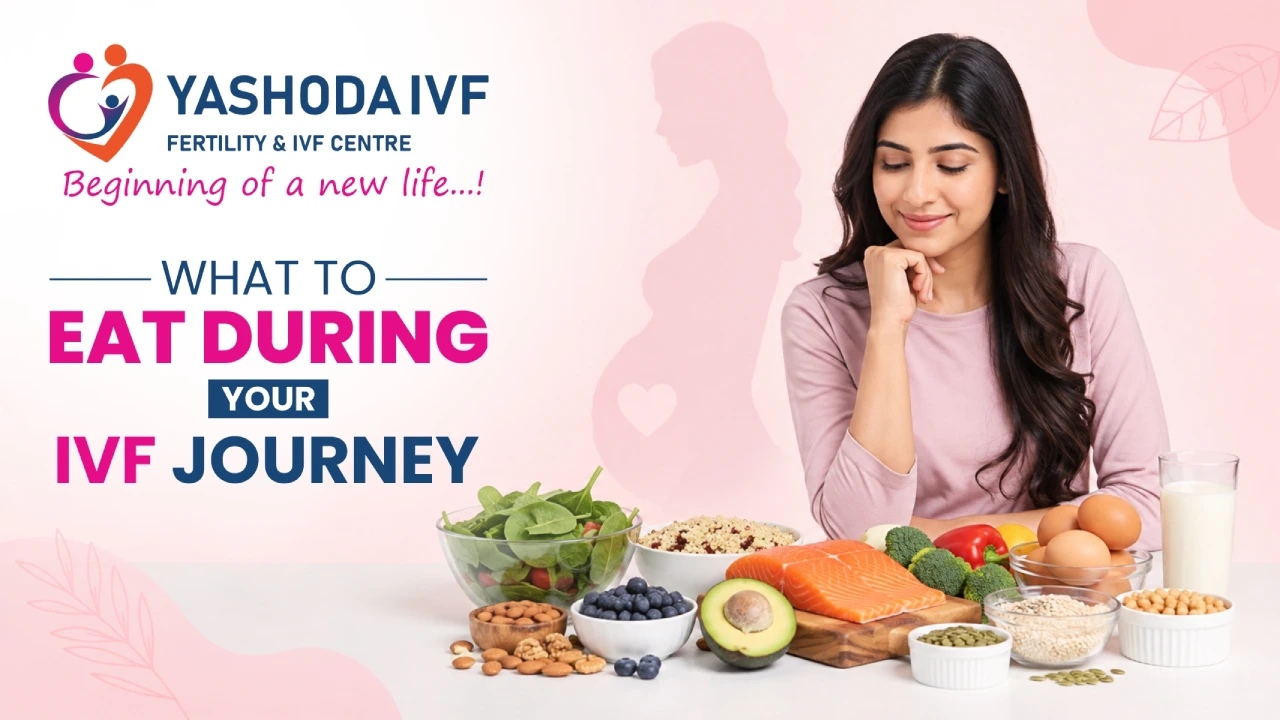
An IVF diet plan should provide vegetables, fruits, whole grains, adequate protein, healthy fats and sufficient fluids. Your food choices may need small adjustments before ovarian stimulation, around egg retrieval and after embryo transfer. However, no food, drink or supplement can guarantee implantation or IVF success.
The best diet during IVF is usually a balanced, practical plan that suits your health, food preferences and treatment stage. Someone with PCOS, diabetes, thyroid disease, anaemia, food allergies or digestive symptoms may need more personalised guidance.
This guide explains what Indian patients can eat before, during and after IVF treatment, which foods require caution, and how to avoid common diet myths.
Important: This is a general educational guide, not an individual diet prescription. Always follow the instructions given by your fertility specialist, especially regarding fasting, fluids, medicines, and supplements.
An IVF diet plan is a balanced eating pattern designed to support nutritional needs and general health during an IVF cycle. It is not a special "fertility diet" that makes treatment work, and it should not replace prescribed medicines or clinical care.
A practical plan generally includes:
The exact plan can vary according to your age, body weight, activity, medical conditions, cultural food choices, and symptoms during treatment.
Nutrition cannot control every factor that affects an IVF outcome. Age, ovarian response, egg and sperm factors, embryo development, uterine health and the underlying cause of infertility also matter.
Nevertheless, a balanced diet can help you:
This is why diet should be viewed as supportive care, not as a method of guaranteeing IVF success.
Read this: Best Foods to Increase Sperm Count Naturally
Rather than depending on one "superfood," include a variety of foods across the week.
| Nutrient | Role in a balanced diet | Indian food sources |
|---|---|---|
| Protein | Supports normal tissue maintenance and recovery | Dal, chana, rajma, soy, tofu, paneer, curd, eggs, chicken and fish |
| Folate | Important before conception and during early pregnancy | Spinach, methi, legumes, broccoli, citrus fruits and prescribed folic acid |
| Iron | Required for healthy red blood-cell production | Lentils, beans, leafy vegetables, meat and iron-fortified foods |
| Calcium | Supports bones, muscles and other body functions | Milk, curd, paneer, ragi and calcium-fortified foods |
| Vitamin B12 | Important for blood and nerve health | Dairy, eggs, fish, meat and fortified foods |
| Fibre | Supports digestion and may help manage constipation | Vegetables, fruits, oats, dalia, legumes and whole grains |
| Healthy fats | Supply energy and essential fatty acids | Nuts, seeds, groundnuts, suitable vegetable oils and low-mercury fish |
| Fluids | Help maintain hydration | Water, soups, milk and other suitable unsweetened drinks |
Women planning pregnancy are commonly advised to take folic acid, but the dose and full supplement plan should be confirmed with the treating doctor. Do not start high-dose vitamins, herbal products or "fertility boosters" without approval.
Read This: What Is Ovulation? Signs, Symptoms & Fertility Guide
There is no need to wait for the first injection to improve your routine. In the weeks before treatment, focus on consistency rather than a restrictive detox or crash diet.
Choose different colours and types, such as spinach, methi, carrots, beans, gourds, cauliflower, broccoli and capsicum. Wash produce thoroughly and cook it safely.
Guava, oranges, apples, bananas, pomegranate, papaya and other seasonal fruits can be part of a varied diet unless your doctor or dietitian has advised otherwise. Whole fruit generally provides more fibre than strained juice.
Vegetarian choices include dal, chana, rajma, soybean, tofu, paneer and curd. Non-vegetarian choices may include well-cooked eggs, chicken and low-mercury fish. The right portion depends on your total diet and medical needs.
Whole-wheat roti, oats, dalia, brown rice and millets can provide carbohydrates and fibre. Rice and roti do not need to be removed simply because IVF has started; portion size and the overall balance of the meal matter more.
Nuts, seeds and cooking oils can be included, but more is not necessarily better. Large portions of fried food or calorie-dense "healthy" foods can still make a meal unbalanced.
A nourishing diet supports general health, but it cannot reverse age-related changes or guarantee better egg quality. Be cautious of plans claiming that a specific fruit, seed, juice or supplement can "improve egg quality" within a few days. Your fertility evaluation, including age, ultrasound findings and ovarian reserve, provides more useful clinical context.
The following one-day chart is an example, not a universal prescription. Portions and food choices should be adjusted for appetite, allergies, medical conditions, and your clinician's advice.
| Time | Vegetarian option | Non-vegetarian option |
|---|---|---|
| On waking | Water; prescribed medicine as directed | Water; prescribed medicine as directed |
| Breakfast | Vegetable poha with curd, or besan chilla | Vegetable omelette with whole-wheat toast |
| Mid-morning | Seasonal fruit with a small portion of unsalted nuts | Same |
| Lunch | Roti or rice, dal, sabzi, salad, and curd | Roti or rice, sabzi and well-cooked chicken or low-mercury fish |
| Evening snack | Roasted chana, makhana or plain curd | Boiled egg with fruit, or roasted chana |
| Dinner | Vegetable khichdi with curd, or roti with paneer and sabzi | Rice or roti with cooked fish/chicken and vegetables |
| If hungry later | Milk or another suitable light option | Same |
People with diabetes or insulin resistance may require different carbohydrate portions and meal timing. A dietitian can adapt this chart without removing culturally familiar foods unnecessarily.
Ovarian stimulation can sometimes be accompanied by bloating, fullness, constipation, nausea, or appetite changes. These symptoms vary, so do not force foods that make you uncomfortable.
Helpful approaches may include:
Examples of easy snacks include fruit with nuts, roasted chana, plain curd, paneer cubes, makhana, a boiled egg, or vegetable sticks with hummus.
Diet cannot prevent or treat ovarian hyperstimulation syndrome (OHSS). Contact your clinic promptly if you develop worsening abdominal swelling or pain, repeated vomiting, difficulty breathing, markedly reduced urination, faintness, or rapid weight gain. Do not try to manage concerning symptoms only by increasing protein, salt or electrolyte drinks.
In the days before egg retrieval, continue normal balanced meals and fluids unless your clinic gives different instructions. Avoid experimenting with a new detox, supplement or unusually heavy meal.
Because egg retrieval is commonly performed with sedation or anaesthesia, your clinic will give precise fasting instructions. Follow them exactly. Do not assume that water, tea, chewing gum or a small snack is permitted once the fasting period begins. If the instructions are unclear, contact the clinic before the procedure.
After the procedure, begin eating and drinking only when the clinical team says it is safe. If you feel nauseous or bloated, start with small, familiar meals that are easy for you to tolerate.
Options may include:
Protein and fibre can remain part of the diet, but there is no single mandatory post-retrieval food. If constipation occurs, ask the care team how to manage it safely rather than using an unapproved herbal laxative.
Mild discomfort can occur after retrieval, but severe or worsening pain, heavy bleeding, fever, persistent vomiting, breathing difficulty or reduced urination requires medical advice.
You usually do not need a completely new diet after embryo transfer. Continue balanced meals, maintain food safety, and take prescribed medicines exactly as directed.
Aim to include:
There is no proven "implantation diet." Pineapple core, pomegranate juice, beetroot, Brazil nuts, ghee or any other single food cannot make an embryo implant. These foods may fit into a balanced diet when appropriate, but they should not be treated as medicine.
The two-week wait can be emotionally demanding. Try to follow a normal, safe routine instead of analysing every meal as a possible reason for success or failure.
Avoid smoking, tobacco and recreational drugs. Speak with your fertility team about alcohol; once pregnancy is possible, the safest approach is to avoid alcohol.
Avoid raw or undercooked eggs, meat, poultry, fish and shellfish. Choose thoroughly cooked foods, particularly after embryo transfer.
Avoid unpasteurised milk and products made from it. Check labels when buying packaged dairy products or juices.
Raw sprouts may carry harmful bacteria that washing alone may not remove. If you eat sprouts, cook them thoroughly.
Fish can provide valuable nutrients, but some large predatory fish contain more mercury. Ask your doctor or dietitian for locally relevant choices and select properly cooked, lower-mercury fish.
Limit deep-fried snacks, sugary drinks, packaged sweets and foods high in salt, added sugar or trans fats. Occasional consumption does not mean an IVF cycle has failed; the overall pattern matters.
Caffeine comes from coffee, tea, cola, energy drinks and chocolate. Guidance commonly used for pregnancy limits total caffeine to under 200 mg per day, but cup size and preparation can change the amount considerably. Confirm the appropriate limit with your fertility specialist.
Avoid detox products, unknown herbal teas, high-dose vitamins, gym supplements and "implantation powders" unless your doctor has reviewed them. Natural does not always mean safe, and some ingredients may interact with treatment.
Read this: IVF फेल क्यों होता है? कारण और समाधान
Useful snacks combine convenience with protein, fibre or other nutrients:
Packaged foods labelled "diet," "sugar-free" or "high protein" are not automatically necessary or healthier. Check the ingredient list and ask for guidance if you have diabetes, kidney disease or another condition affecting nutrition.
A well-planned vegetarian diet can provide adequate nutrition during IVF. Include varied protein sources such as dal, legumes, soy, tofu, paneer, curd, nuts and seeds.
Vegetarians should pay attention to iron, vitamin B12, calcium, vitamin D, iodine, protein and omega-3 fats. Vegan patients may have fewer reliable food sources of vitamin B12 and may require individual assessment. Supplements should be based on diet, test results and clinical advice, not taken in large doses without supervision.
For women with PCOS, regular meals containing protein, fibre-rich vegetables and appropriate portions of carbohydrates may help support blood-sugar management. A very low-carbohydrate or crash diet is not automatically required.
Meal timing and carbohydrate portions may need personal adjustment. Monitor blood glucose as directed and tell the fertility team about all diabetes medicines.
Continue prescribed thyroid medicine according to your doctor's instructions. Some foods, iron tablets and calcium supplements may affect how thyroid medicine is absorbed, so ask about correct timing rather than changing treatment yourself.
Do not begin rapid weight-loss plans during an active cycle without medical advice. Anaemia and significant undernutrition also need appropriate evaluation. The goal is a safe, sustainable plan, not a last-minute change on the basis of BMI alone.
Yes, healthy habits apply to both partners. A male partner can follow the same basic pattern: varied vegetables and fruits, suitable whole grains, adequate protein and moderate amounts of healthy fats.
Smoking and tobacco should be avoided, alcohol should be limited or avoided as advised, and unprescribed "sperm booster" supplements should not replace a semen analysis or evaluation. Diet may support general health, but it cannot correct every cause of male infertility.
Folic acid is commonly recommended before conception. Other supplements such as iron, vitamin D, vitamin B12, or calcium may be advised according to diet, blood tests, and medical history.
Do not assume that a higher dose produces a better outcome. Tell your fertility specialist about every vitamin, herbal remedy, protein powder and over-the-counter product you use. This helps the team check for unnecessary duplication or possible interactions.
| Myth | What to know |
|---|---|
| Pineapple guarantees implantation | No fruit can guarantee implantation |
| A diet can reverse low AMH | Food cannot restore ovarian reserve or create new eggs |
| Gluten and dairy must be stopped | Routine avoidance is unnecessary unless there is a diagnosed condition or intolerance |
| Protein powder is compulsory | Many people can meet protein needs through ordinary foods |
| A perfect diet guarantees IVF success | IVF outcomes depend on several clinical and biological factors |
The best Indian IVF diet is a varied, balanced plan containing vegetables, seasonal fruits, dal or another protein source, whole grains, moderate amounts of healthy fats and sufficient fluids. Both vegetarian and non-vegetarian diets can work. The plan should be adjusted for PCOS, diabetes, thyroid disease, allergies and treatment-related symptoms.
After egg retrieval, begin with small, familiar meals once the clinic allows you to eat. Khichdi, soup, curd rice, idli, cooked vegetables, paneer, tofu, or eggs may be easier to tolerate. After embryo transfer, continue a balanced, food-safe diet; no special implantation food is required.
Ordinary food portions of fruit are different from concentrated extracts or supplements. There is no good evidence that eating one particular fruit guarantees implantation or automatically causes IVF failure. Follow your clinic's individual advice, especially after transfer or if pregnancy is confirmed, and avoid unapproved concentrated products.
Many patients can consume a limited amount of caffeine, but total intake from tea, coffee, cola, chocolate and energy drinks must be considered. Guidance commonly used once pregnancy is possible is to stay below 200 mg of caffeine per day. Ask your specialist what is appropriate for you.
No. A balanced diet can support general health, but pineapple, beetroot, pomegranate, Brazil nuts or any other single food cannot guarantee implantation or pregnancy. IVF success depends on multiple factors, including age, embryo development, uterine health and the cause of infertility.
A practical IVF diet plan should be balanced, safe, and easy to follow. Include vegetables, fruits, whole grains, protein-rich foods, and suitable healthy fats in your meals. Follow your clinic's fasting and hydration instructions carefully, and avoid raw or undercooked foods, alcohol, tobacco, and unapproved supplements.
Remember, food can support your overall health during treatment, but no individual meal can determine or guarantee IVF success. Therefore, you should not blame yourself or your diet if treatment does not go as expected.
If you are searching for the best IVF fertility hospital in Maharashtra, consider the quality of medical care, fertility specialists' experience, available treatments, transparency, and personalised support. At Yashoda IVF, the fertility team provides individual guidance based on your medical history, prescribed medicines, dietary needs, and stage of IVF treatment.
Disclaimer: The information provided in this blog is for educational and informational purposes only and is not intended as a substitute for professional medical advice, diagnosis, or treatment. Every individual's fertility journey is unique.