Female Infertility
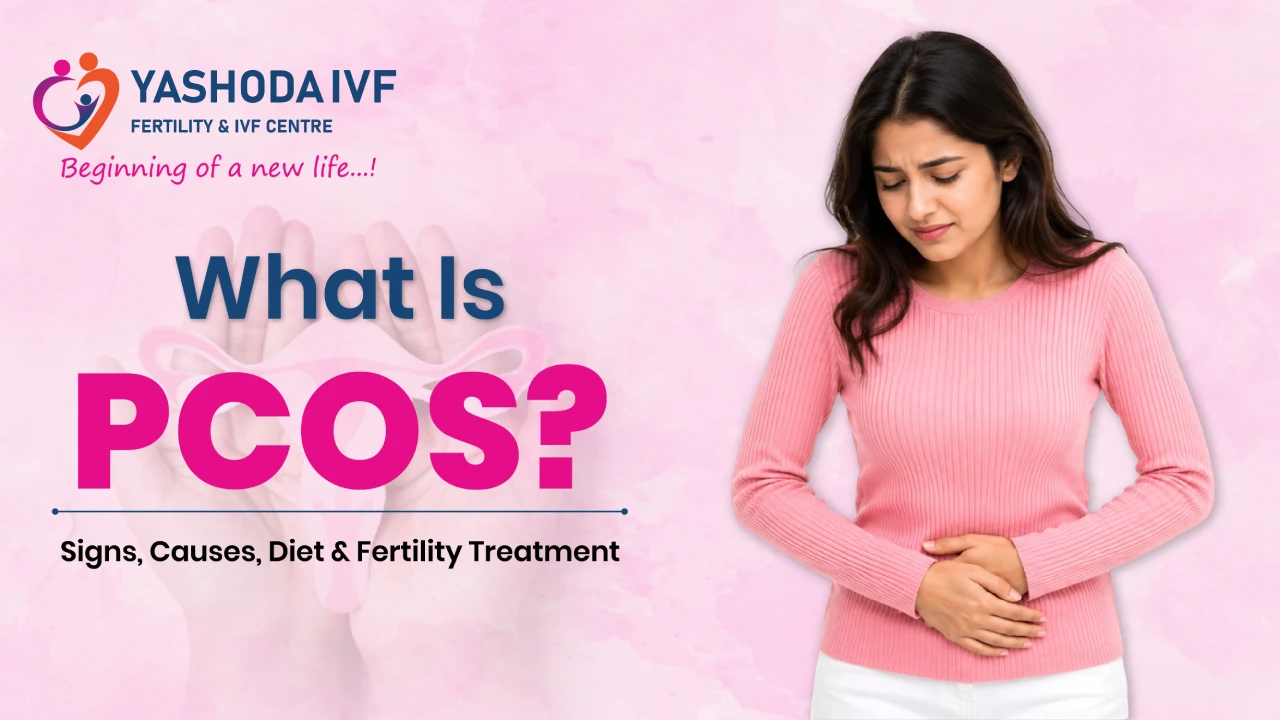
If you have been trying to get pregnant and recently heard the word PCOS, you are not alone, and you have every reason to feel hopeful. Polycystic Ovary Syndrome is one of the most common health conditions in women of childbearing age. While it can make getting pregnant harder, it is also very manageable. With the right care, lifestyle changes, and medical support, many women with this condition go on to have healthy babies.
In this guide, we explain what the condition is, the signs to watch for, what causes it, how it affects fertility, and the practical steps you can take to improve your chances of getting pregnant.
Polycystic Ovary Syndrome (PCOS) is a hormonal condition that affects how a woman's ovaries work. In a typical cycle, the ovaries release one mature egg. With this condition, ovulation may not happen regularly, and many small, immature follicles (often called “cysts,” though they are not harmful) build up.
This occurs mainly due to a hormonal imbalance. Women with this condition often have higher levels of androgens (male hormones) and issues with insulin, the hormone that regulates blood sugar. These imbalances disrupt the natural cycle, leading to irregular periods and unpredictable ovulation.
The condition is manageable. It is not something you “catch,” and it does not mean you cannot become a mother. It simply means your body may need additional support.
Symptoms vary from person to person. Some women may experience many signs, while others notice only a few.
If you notice several of these signs, consulting a doctor can help with early diagnosis and management.
There is no single known cause, but several factors contribute to the condition:
The primary challenge is irregular or absent ovulation. Without the release of an egg, fertilisation cannot occur.
Additionally, hormonal imbalances may affect the uterine lining, making implantation more difficult. Factors like insulin resistance and weight gain can further complicate conception.
However, this is one of the most treatable causes of infertility. Once ovulation is restored, many women conceive naturally or with minimal medical support.
Even modest weight loss (around 5–10% of body weight) can significantly improve ovulation, regulate periods, and enhance fertility. It helps improve insulin sensitivity and reduces androgen levels.
A balanced diet helps regulate blood sugar and hormones:
Regular physical activity, such as walking, yoga, or strength training, improves insulin sensitivity and supports weight management. Yoga also helps reduce stress.
Stress and poor sleep can worsen hormonal imbalance. Practices like meditation, deep breathing, and maintaining a regular sleep routine can help.
Treatment plans vary depending on individual health, age, and fertility goals.
Early consultation allows for better diagnosis and more treatment options.
Living with Polycystic Ovary Syndrome can feel overwhelming, especially when planning a family. However, it is a highly manageable and treatable condition. With the right lifestyle changes, medical support, and patience, many women successfully conceive.
You do not have to navigate this alone. The team at Yashoda IVF has helped many women understand their bodies and achieve their fertility goals. A consultation can provide clarity and guidance for your journey.
Yes, many women conceive naturally once ovulation becomes regular through lifestyle changes or treatment.
It is a long-term condition, but symptoms can be effectively managed with proper care.
Weight loss does not cure the condition but can significantly improve symptoms and fertility.
Yes, IVF is a safe and effective treatment when guided by a specialist.
Disclaimer: The information provided in this blog is for educational and informational purposes only and is not intended as a substitute for professional medical advice, diagnosis, or treatment. Every individual’s fertility journey is unique.