Male Infertility
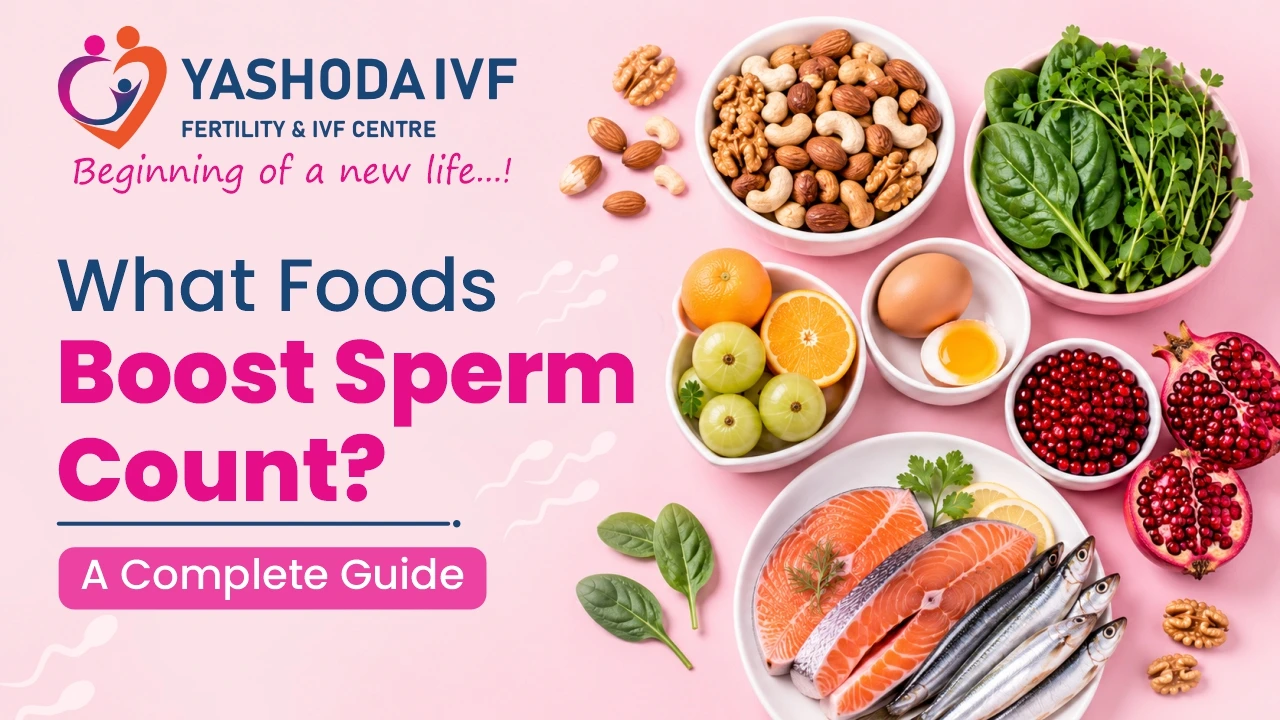
Certain foods rich in zinc, omega-3 fatty acids, and antioxidants like walnuts, pumpkin seeds, chia seeds, and leafy greens may support healthy sperm production and quality. While no single food can guarantee results, a balanced diet is one of the simplest ways to support overall reproductive health alongside other lifestyle habits.
Sperm cells are constantly being produced, and this process needs the right nutrients to work well. Vitamins, minerals, and healthy fats all play a role in supporting sperm count, movement, and shape. Diet alone isn't the whole picture, but eating the right foods can be one simple, practical step toward better reproductive health.
Walnuts are rich in omega-3 fatty acids and antioxidants, which may help support sperm movement and overall sperm quality. A small handful a few times a week is an easy way to add them to your diet.
Chia seeds are another good source of omega-3s and contain zinc as well, a mineral closely linked to healthy sperm production. They're easy to soak in water or milk and add to breakfast.
Fenugreek is a traditional ingredient used in Indian kitchens, and some small clinical studies have found that concentrated fenugreek extract may support testosterone levels and sperm count in men. That said, most of this research has used purified extracts in supplement form, not just seeds eaten at home, and a few studies have found no clear effect. So while fenugreek is a reasonable food to include, it shouldn't be seen as a guaranteed fix.
Pumpkin seeds are a good source of zinc, a mineral your body needs for normal sperm development. They make an easy, crunchy snack on their own.
Leafy greens like spinach are rich in folate, a B-vitamin that plays a role in healthy sperm development. They're easy to add to daily meals in small amounts.
Eggs are a good source of protein and Vitamin D, both of which support overall reproductive health.
Oranges, amla, and berries are rich in Vitamin C and other antioxidants, which may help protect sperm cells from everyday oxidative stress.
Dark chocolate (in moderation) contains antioxidants that may offer some general support for reproductive health, alongside a treat you can enjoy occasionally.
Milk provides calcium and Vitamin D, both important for general health, including reproductive function.
If you'd like an easy way to combine a few of these ingredients, here's a simple homemade drink some people try:
This is simply one way to combine several nutrient-rich foods in one place; think of it as a healthy addition to your routine, not a proven treatment or guaranteed fix for low sperm count.
A few nutrients come up again and again in research on male fertility:
Alongside eating well, it also helps to limit or avoid:
Yes. Regular, moderate exercise and stress management can support overall hormonal balance, which in turn supports reproductive health. Very intense or excessive exercise, on the other hand, isn't necessarily better and may not help. A simple mix of regular movement, good sleep, and stress reduction generally works better than any single food or supplement on its own.
Not necessarily. Diet is one supportive factor among many; it works alongside other things like overall health, lifestyle habits, and sometimes underlying medical conditions. If you or your partner are facing fertility challenges, a semen analysis can help identify what's actually going on, rather than relying on diet changes alone and hoping for the best.
Consider speaking with a fertility specialist if:
At Yashoda IVF, male infertility evaluation includes a detailed semen analysis and personalised guidance from a fertility specialist, so you get a clear picture of what's happening rather than guesswork. If lifestyle and diet changes aren't enough, our team can walk you through the next steps that may help.
No single food works instantly. Nutrient-rich foods like walnuts, pumpkin seeds, and leafy greens may support sperm health over time, but sperm production takes around 2-3 months to show meaningful change.
No. It's a way to combine a few nutrient-rich foods in one place, but it isn't a proven treatment. If you're facing fertility challenges, a medical evaluation is more reliable than relying on any single drink or food.
Since sperm takes about 2-3 months to fully develop, most dietary changes need at least that long before any effect might show up in a semen analysis.
Whole foods generally offer a more balanced mix of nutrients. Supplements can help in specific cases, but it's best to check with a doctor before starting any supplement, especially at high doses.
Milk provides calcium and Vitamin D, which support general health, but it isn't a targeted fertility treatment on its own; it works best as part of an overall balanced diet.
Foods like walnuts, chia seeds, pumpkin seeds, and leafy greens may offer helpful nutrients like zinc, omega-3s, and antioxidants that support sperm health. But diet is just one part of the picture; no food or drink can guarantee results on its own. If you're facing fertility challenges, the most reliable next step is a proper evaluation.
If you'd like a clearer picture of your fertility health, visit your nearest Yashoda IVF Centre for a semen analysis and personalised guidance from an experienced fertility specialist.
Disclaimer: The information provided in this blog is for educational and informational purposes only and is not intended as a substitute for professional medical advice, diagnosis, or treatment. Every individual's fertility journey is unique.