Female Infertility
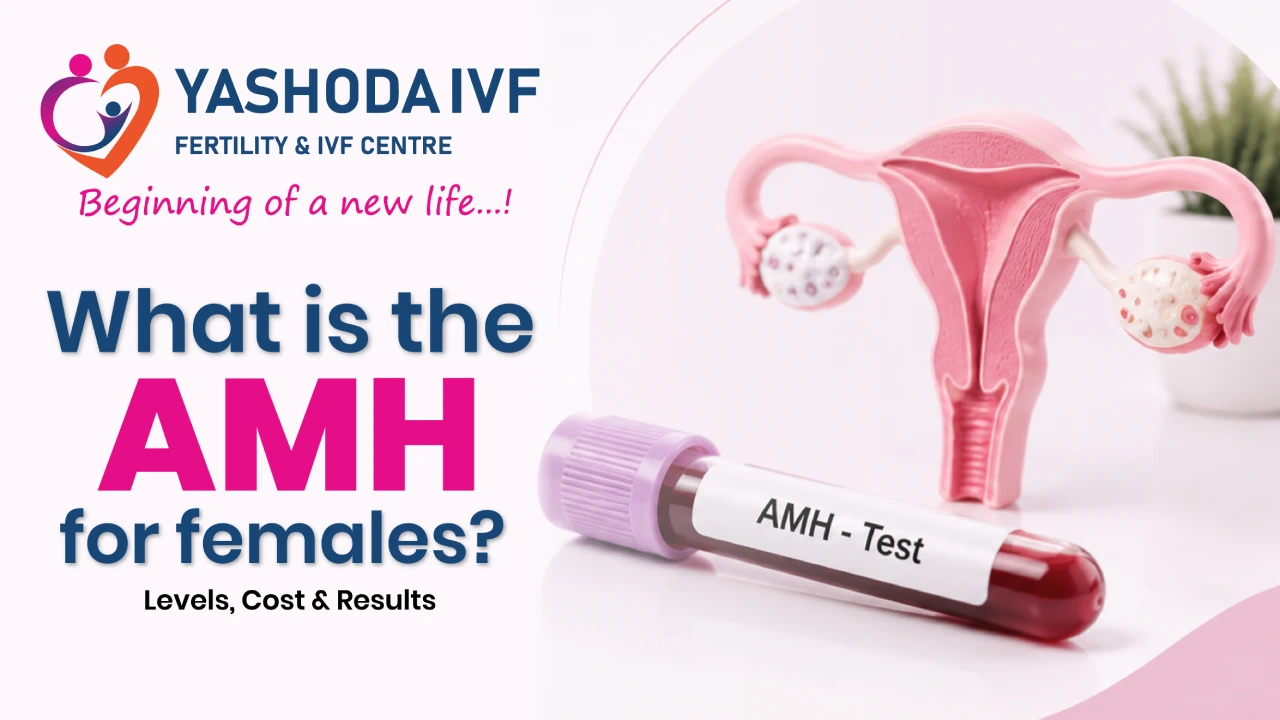
If your doctor has suggested an AMH test, or you've come across the term while researching fertility, you might be wondering what it actually measures. In simple words, the AMH test for females is a blood test that checks how many eggs a woman has left in her ovarian reserve. It gives a helpful snapshot of your reproductive potential and is one of the first tests fertility experts use when planning a pregnancy or fertility treatment.
Let's break down everything you need to know about the AMH test in clear, easy language.
So, what is the AMH test measuring exactly? It measures the amount of this hormone in your blood to estimate your ovarian reserve. A higher AMH level usually means more eggs remaining, while a lower level suggests the egg count is declining. Unlike other reproductive hormones that rise and fall during your cycle, AMH stays fairly stable, which is one reason the test is so convenient.
Ovarian Cyst Meaning in HindiThe AMH test for females has become one of the most valuable tools in modern fertility care. It helps women and their doctors understand where they stand reproductively, so they can make informed decisions about the right time to start a family.
For women planning IVF or IUI treatment, the AMH result helps the specialist decide the correct medication doses. For women thinking about delaying pregnancy, it opens up an honest conversation about egg freezing and how much time they realistically have.
An AMH test isn't necessary for every woman, but it is genuinely useful for these groups:
If any of these apply to you, an AMH test can provide clarity and guide your next steps.
One of the best things about the AMH test is its flexibility. Because AMH levels stay steady throughout the menstrual cycle, the test can be done on any day of the month; you don't need to wait for a specific point in your cycle.
That said, if you are taking hormonal contraception (like the pill or a hormonal IUD), it can temporarily lower your AMH reading. In that case, it's best to mention it to your doctor, who may suggest testing a couple of months after stopping for a more accurate result.
The AMH test is quick and simple. A healthcare professional draws a small blood sample from a vein in your arm using a thin needle, the same way as any routine blood test. The whole process takes just a few minutes.
There's no special preparation needed. You don't have to fast, and you can eat and drink normally beforehand. The sample is sent to a lab, and results are usually available within a few days. Your fertility specialist will then explain what your numbers mean and discuss the way forward.
AMH is measured in nanograms per millilitre (ng/mL). While labs may vary slightly, here are the commonly used general ranges:
Because AMH naturally falls with age, a "normal" level depends heavily on how old you are.
Remember, this is a general guide. Always interpret your result against your lab's reference range and alongside your age.
There is no single "magic number," but generally, an AMH level between 1.0 and 3.0 ng/mL is considered a healthy range that supports good chances of conception. Levels in this range suggest you have a reasonable number of eggs available for natural pregnancy or fertility treatment.
However, and this is important, a good AMH level does not guarantee pregnancy, and a low level does not mean you cannot conceive. AMH tells you about egg quantity, not egg quality. Many women with lower AMH still conceive naturally or with treatment, because a single healthy egg each month is all that's needed for pregnancy. This is why doctors always read your AMH alongside your age, an ultrasound, and other tests.
To avoid unnecessary worry, it helps to know the limits of this test. The AMH test cannot tell you:
It's one piece of the puzzle, an important one, but not the whole picture.
Several factors can influence your result, including:
A low AMH result can feel discouraging, but it isn't the end of the road. Lifestyle steps like quitting smoking, eating a balanced diet, maintaining a healthy weight, staying active, and managing stress all help protect the eggs you have.
Most importantly, speak to a fertility expert early. Options such as ovulation support, IUI, IVF, or egg freezing can make a real difference. The caring team at Yashoda IVF can review your AMH result and build a personalised plan suited to your body and goals.
The AMH test for females is a simple yet powerful blood test that reveals your ovarian reserve and helps guide important fertility decisions. Whether you're planning to conceive now, thinking about the future, or exploring treatment, knowing your AMH gives you clarity and confidence. Pair it with expert guidance, and you'll be well equipped to take the next step on your journey to parenthood.
No. It's a simple blood test that takes only a few minutes, with just a small pinch of blood.
Yes. AMH stays stable throughout your menstrual cycle, so that you can take the test on any day.
Not at all. Low AMH means fewer eggs, but many women still conceive naturally or with treatment. It measures quantity, not quality.
AMH generally can't be raised significantly, but healthy lifestyle habits protect your existing eggs and support overall fertility.
The price varies by lab and city, but it is an affordable, routine blood test. Your fertility centre can share exact details.
Disclaimer: The information provided in this blog is for educational and informational purposes only and is not intended as a substitute for professional medical advice, diagnosis, or treatment. Every individual's fertility journey is unique.