Female Infertility

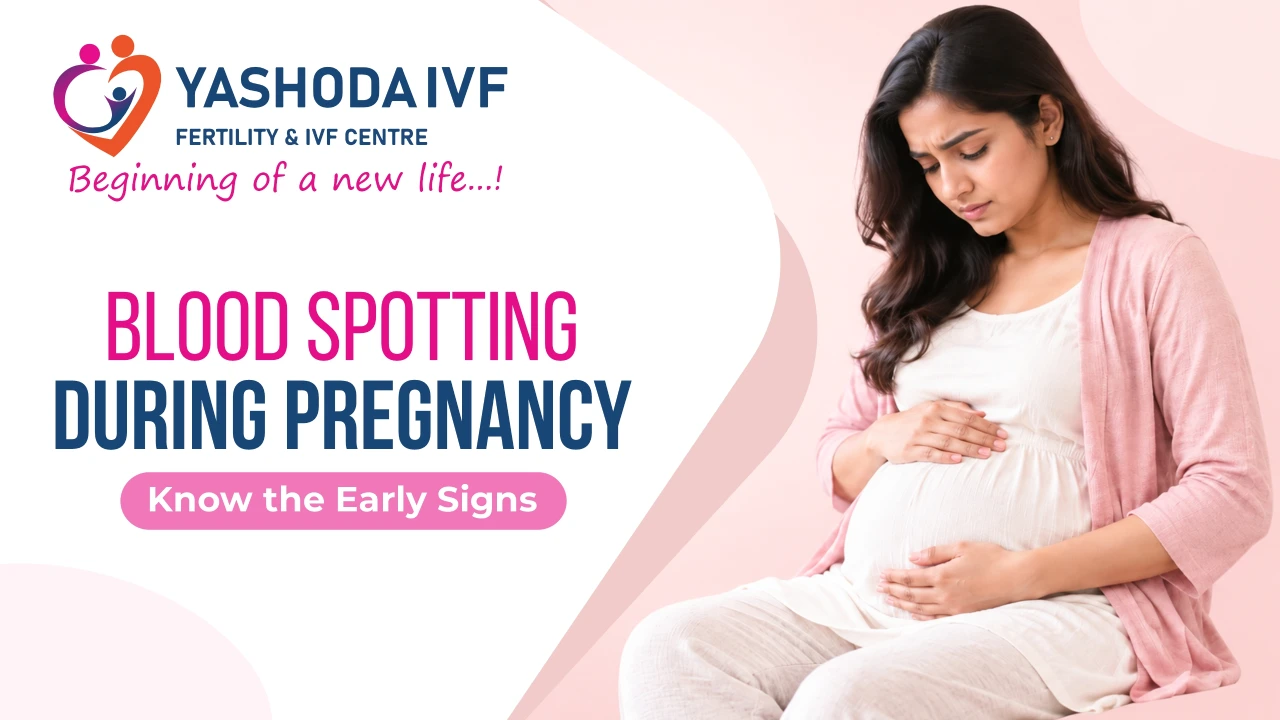
Seeing even a tiny drop of blood when you're pregnant (or think you might be) can be scary. The good news is that spotting is actually quite common in early pregnancy, and in most cases, it doesn't mean anything is wrong. But because it can sometimes be a sign of something that needs attention, it's worth understanding what's normal and what isn't.
This blog breaks it all down in simple words: what spotting is, why it happens, what other early pregnancy symptoms usually show up around the same time, and answers to the questions women ask most.
Spotting is light bleeding, usually just a few drops of pink, red, or brown blood. It's much lighter than a regular period and usually doesn't need a pad, just a light stain on your underwear or tissue.
It's different from actual bleeding, which is heavier, flows more steadily, and often comes with cramping. Spotting on its own is usually harmless, especially in the first trimester, but it's still a good idea to keep an eye on it.
Read here: प्रेगनेंसी टेस्ट कब करें? सही समय जानें (Best Time to Test Pregnancy)
There are several everyday reasons spotting shows up, and most of them are completely normal:
This happens when the fertilized egg attaches itself to the lining of your uterus, usually around 6–12 days after conception. It's often one of the very first signs of pregnancy, even before a missed period. It's usually light pink or brown and lasts just a day or two.
During pregnancy, more blood flows to the cervix, making it softer and more sensitive. Something as simple as a pelvic exam or sex can cause light spotting afterward. This is completely normal and nothing to worry about.
Your body goes through huge hormonal shifts in early pregnancy, and sometimes this can cause light spotting around the time your period would have normally come.
Minor infections in the cervix or vaginal area can sometimes cause spotting. These are usually easy to treat once identified.
Occasionally, spotting can be linked to a miscarriage, ectopic pregnancy, or issues with the placenta. This is why any spotting during pregnancy should always be mentioned to your doctor, even if it turns out to be nothing.
Read here: Endometriosis and Infertility: Can You Still Get Pregnant?
| Spotting | Bleeding |
|---|---|
| A few drops, light pink/brown/red | Heavier flow, often bright red |
| No pad needed | Needs a pad |
| Usually painless | Often comes with cramps or pain |
| Stops on its own quickly | Continues or gets heavier |
If what you're experiencing feels closer to the "bleeding" column, or comes with strong cramping, dizziness, or pain, contact your doctor right away instead of waiting it out.
Read Here: Pregnancy Ke Lakshan: गर्भावस्था के शुरुआती लक्षण और पहचान
Spotting is often just one of many early signs of pregnancy. If you're trying to conceive or think you might be pregnant, here are the most common symptoms that usually show up first:
Not everyone experiences all of these, and some women notice barely any symptoms at all at first; that's normal too. The most reliable way to confirm pregnancy is still a home pregnancy test followed by a doctor's confirmation.
While light spotting is usually harmless, you should contact your doctor immediately if you notice:
It's always better to get checked and be told everything is fine than to wait and worry.
Yes, light spotting is very common in the first trimester and is often linked to implantation or hormonal changes. However, you should always mention it to your doctor to rule out any concerns.
Normal spotting is usually light pink or brown. Bright red blood, especially with clots or heavy flow, needs prompt medical attention.
Implantation bleeding usually lasts anywhere from a few hours to two days. It's much lighter than a period and often stops on its own.
Spotting alone does not always mean a miscarriage. Many women who spot in early pregnancy go on to have completely healthy pregnancies. However, if spotting is heavy, painful, or continues for several days, it's important to get checked immediately.
If your period doesn't arrive and you notice light spotting instead, it's a good time to take a home pregnancy test, especially if you're also experiencing other early symptoms like nausea or fatigue.
Blood spotting during pregnancy can feel alarming, but in most cases, it's a normal part of early pregnancy and nothing to panic about. The key is knowing the difference between light, harmless spotting and heavier bleeding that needs immediate attention. When in doubt, always reach out to your doctor; it's always better to ask and feel reassured than to sit with worry.
If you're trying to conceive, going through fertility treatment, or have any concerns about symptoms in early pregnancy, speaking with a fertility specialist can help you get clear, personalized guidance rather than relying on guesswork.
Medical Disclaimer: This article is intended for general informational purposes only and does not replace diagnosis or advice from a qualified medical professional. Please consult your doctor for guidance based on your individual health and fertility needs.