Specialized Gynaecology & Fertility

Endometriosis Care & Treatment in Maharashtra | Yashoda IVF

Don't let pelvic pain hold you back. Endometriosis affects millions, yet it is often misdiagnosed. Our senior specialists offer advanced diagnostic mapping and highly personalized treatment plans ranging from medical management to fertility preserving laparoscopy to relieve your pain and help you achieve your family goals.

Expert Laparoscopic Surgeons
Compassionate Pain Management

Book a Consultation

Start your journey to parenthood today.

100% Confidential
Endometriosis Care & Treatment in Maharashtra | Yashoda IVF

What is Endometriosis ?

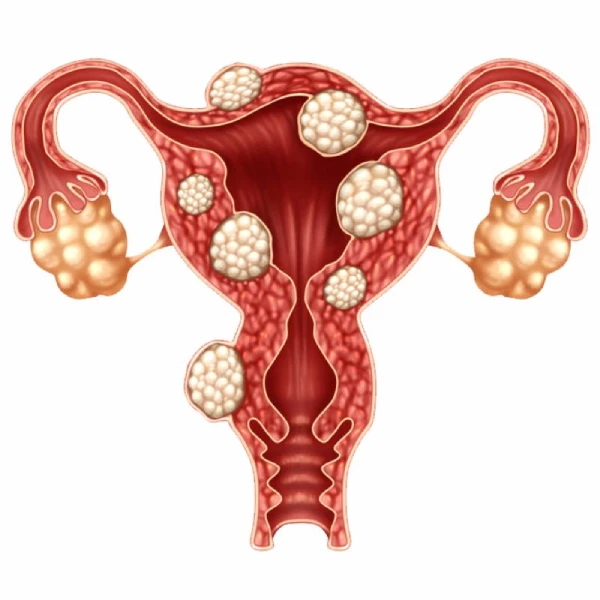
Endometriosis is a chronic condition where tissue similar to the inner lining of the uterus (endometrium) grows outside the uterus most commonly on the ovaries, fallopian tubes, and the tissue lining the pelvis.

Unlike normal uterine tissue that bleeds and exits the body during a period, this displaced tissue has no way to exit. It becomes trapped, leading to painful inflammation, scar tissue (adhesions), and ovarian cysts known as endometriomas ("chocolate cysts"). Left untreated, it is one of the leading causes of female infertility worldwide.

At Yashoda IVF, we understand that endometriosis requires a highly individualized, multidisciplinary approach. We do not just treat the disease; we treat the impact it has on your daily life and your dreams of becoming a mother.

Common Symptoms of Endometriosis Include:

🩸 Intense, debilitating pain during menstrual periods (Dysmenorrhea)
🩺 Chronic lower back and deep pelvic pain throughout the month
💔 Deep pain during or immediately after intercourse
🚽 Painful bowel movements or urination, especially during menstruation
🔄 Unusually heavy bleeding during periods or bleeding between periods
Difficulty conceiving (Infertility) over many months or years
Our Care Approach

How we Diagnose and Treat Endometriosis

Because endometriosis affects every woman differently, your treatment path will be custom-designed based on your symptoms, the severity of the disease, and whether you are currently trying to conceive.

01

Advanced Diagnostic Mapping

Standard ultrasounds often miss early-stage endometriosis. We utilize advanced High-Resolution 3D Pelvic Ultrasounds to accurately map deep infiltrating lesions and "chocolate cysts" on the ovaries.

🩺
02

Targeted Medical Management

If you are not currently trying to conceive, we may use hormonal therapies, advanced contraceptives, or GnRH agonists to suppress estrogen, shrink the endometriotic tissue, and provide significant pain relief.

💉
03

Excision Laparoscopy (Keyhole Surgery)

For severe pain or deep lesions, our expert surgeons utilize minimally invasive laparoscopy. We focus on meticulously cutting out (excising) the disease while preserving your healthy ovarian tissue.

🥚
04

Customized Fertility Pathway

If infertility is your primary concern, surgery may not always be the first step. We integrate customized IUI or IVF protocols designed specifically to bypass the inflammatory environment caused by endometriosis.

🔬
05

Long-Term Holistic Care

Endometriosis is a chronic condition. Post-treatment, we offer continuous monitoring, pain management strategies, and nutritional guidance to maintain a high quality of life.

🤰
Fertility Options

Getting Pregnant with Endometriosis

An endometriosis diagnosis does not mean you cannot have a baby. Yashoda IVF offers the exact treatments needed to overcome it.

🔬

IUI (Intrauterine Insemination)

Often effective for mild (Stage 1 or 2) endometriosis, ensuring the sperm reaches the egg despite minimal pelvic inflammation.

Learn more →
🧪

IVF (In Vitro Fertilization)

The most successful route for moderate to severe endometriosis. IVF bypasses blocked fallopian tubes and the toxic pelvic environment entirely.

Learn more →
❄️

Oocyte (Egg) Freezing

Endometriosis and its surgical treatments can drastically reduce egg reserve. Freezing eggs early protects your future ability to conceive.

Learn more →

Why Choose Yashoda

Why trust Yashoda IVF for Endometriosis Care?

Treating endometriosis requires a delicate balance between relieving chronic pain and protecting future fertility. Here is how we achieve both.

Excision Over Ablation

During surgery, many clinics quickly "burn" (ablate) the surface of lesions, leading to high recurrence rates. We utilize complex excisional techniques to cut out the disease entirely from its root.

Preserving Ovarian Reserve

When removing cysts from the ovaries (endometriomas), general surgeons often damage healthy ovarian tissue. Our fertility-trained surgeons use techniques that protect your precious egg supply.

Multidisciplinary Team

Severe cases of endometriosis can attach to the bowel or bladder. At Yashoda IVF, our senior fertility experts work seamlessly with specialized bowel and urology surgeons when required.

Advanced Ultrasound Diagnostics

A proper surgery starts with a proper map. Our advanced 3D ultrasound scanning allows us to predict the complexity of the disease before we ever make an incision.

High IVF Success Rates

Because the pelvic environment in endometriosis patients is often inflamed, we utilize specialized IVF protocols to optimize egg quality and create the perfect uterine environment for embryo transfer.

Compassionate Understanding

We know the pain of endometriosis is real, and the frustration of being dismissed is incredibly common. At Yashoda IVF, we listen, we believe you, and we help you take your life back.

20+

Years of Fertility Excellence

12+

Advanced IVF Centres

80%

Highest Success Rate

27k+

Happy Families Created

FAQ

Questions We Hear Every Day

Fertility treatment can feel overwhelming. Here are clear answers to the questions our patients ask most so you feel informed and confident.

Endometriosis is a condition where tissue similar to the uterine lining (endometrium) grows outside the uterus. This tissue can be found on organs like the ovaries, fallopian tubes, and pelvic lining, and in rare instances, it may spread further. Unlike the uterine lining, this displaced tissue has no way to exit the body during menstruation, leading to inflammation, pain, and the formation of scar tissue.
The exact causes of endometriosis isn't fully known, but several theories exist. Retrograde menstruation is a widely accepted theory where menstrual blood containing endometrial cells flows backward through the fallopian tubes into the pelvic cavity during menstruation. Hormonal imbalance with high estrogen levels may also fuel the growth of endometrial implants. An impaired immune system might fail to recognize and eliminate endometrial-like tissue growing outside the uterus. Additionally, endometriosis has a potential genetic link and tends to run in families.
Symptoms of endometriosis vary widely in severity and presentation. Common signs include painful periods (dysmenorrhea), often more severe than typical menstrual cramps and worsening over time. Chronic pelvic pain persists in the lower abdomen and pelvis, unrelated to menstruation. Pain during intercourse (dyspareunia) can be severe or moderate. Infertility may occur as endometriosis can damage fallopian tubes or ovaries. Some experience painful bowel movements or urination, especially during menstrual periods. Heavy menstrual bleeding (menorrhagia) with unusually heavy or prolonged bleeding is also common.
As of now, a definitive cure for endometriosis does not exist. The primary aim of treatment is to alleviate symptoms such as pain and enhance fertility. Treatment typically involves medications, surgical intervention, or a combination of these approaches. While these treatments can effectively manage symptoms and improve quality of life, they work to control the condition rather than permanently cure it.
Diagnosing endometriosis can be challenging due to its different symptoms that overlap with other conditions. A clinical evaluation begins with a detailed discussion of symptoms, medical history, and family history. A pelvic exam may reveal abnormalities like cysts or tenderness. Ultrasound is used to visualize reproductive organs and detect cysts or other growths, though it cannot definitively diagnose endometriosis. MRI provides more detailed images than ultrasound and helps identify the extent of endometrial implants. Laparoscopy is the gold standard for diagnosis where a small incision is made and a thin, lighted instrument is inserted to directly view pelvic organs and confirm the presence of endometrial implants. Biopsies can be taken for confirmation.

Begin Your Journey to Parenthood Today

Book a free consultation with our specialists at the nearest Yashoda IVF centre. We are here to listen, guide, and walk this beautiful journey with you every step of the way.

Find Nearest Centre