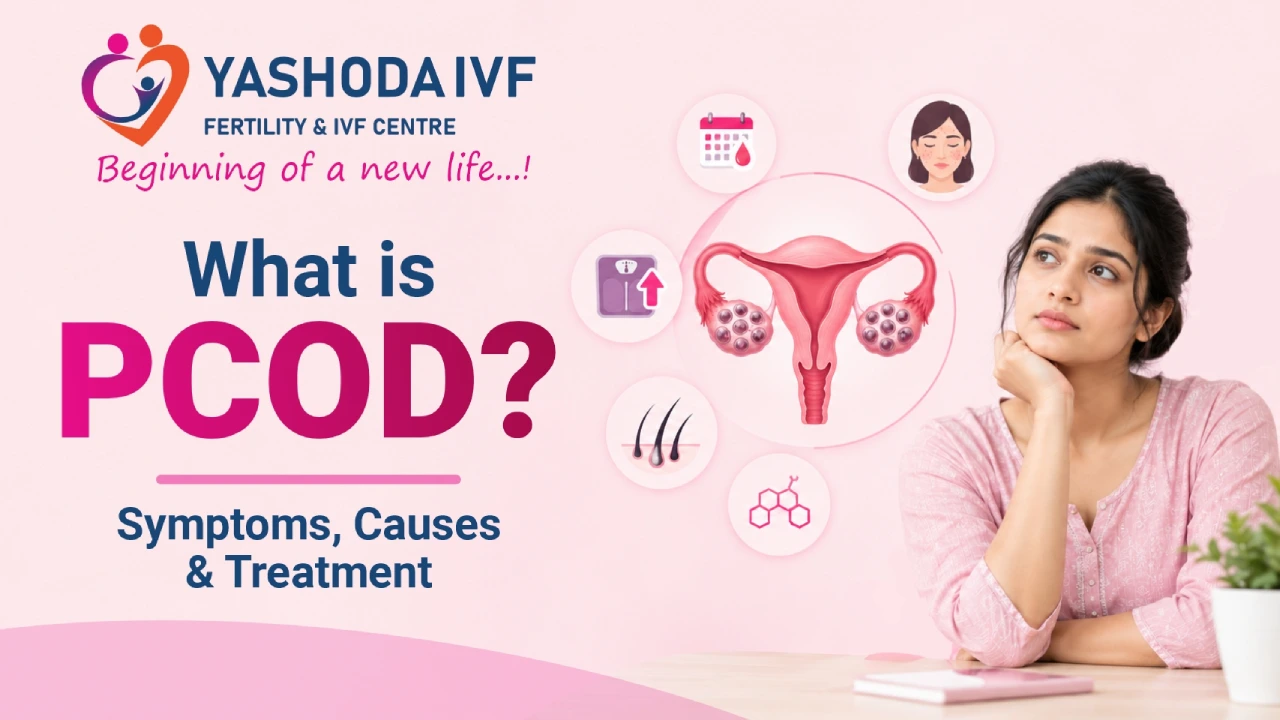
PCOD/PCOS

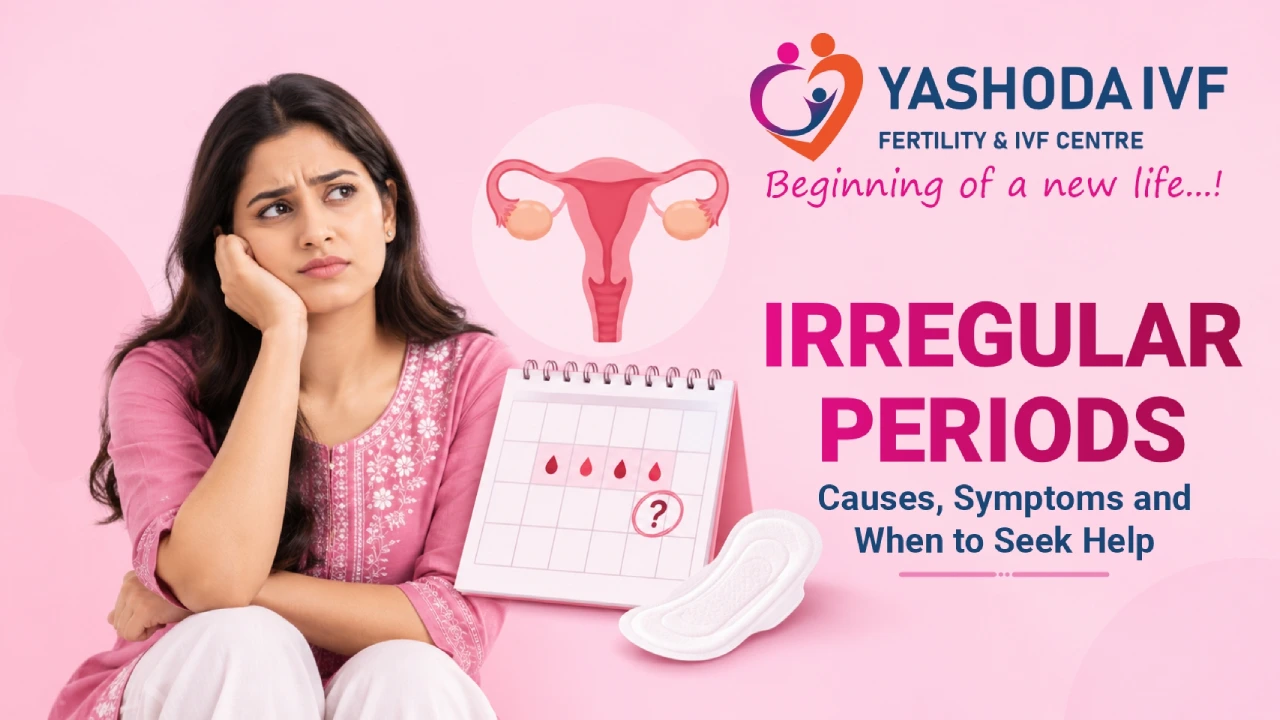
Most women have an odd cycle now and then: a period that arrives early, shows up late, or is lighter than usual. But when your cycle keeps changing from month to month, you may start asking: What do irregular periods mean? What is the reason for irregular periods? Are irregular periods normal?
This guide answers these questions in simple language. It covers the common causes of irregular periods, the symptoms to watch for, how doctors diagnose the problem, the treatment options, and when it's time to get professional help.
An irregular period means your menstrual cycle doesn't follow a predictable pattern. The length of your cycle, the number of days you bleed, or how heavy your flow is may vary a lot from one month to the next.
You may have irregular periods if:
So if you've been searching "what is an irregular period," the short answer is this: it's any menstrual pattern that is unpredictable or falls outside the typical range for cycle length, duration, or flow.
To understand what's irregular, it helps to know what's typical.
Cycles that are predictable for you, even if they're not exactly 28 days, are generally considered regular.
Read here: Period Late Kyun Hota Hai? Pregnancy Ke Alawa 10 Karan
Your periods are controlled by hormones like estrogen and progesterone. These hormones are managed by your brain, ovaries, and thyroid. If something affects these hormones, your periods may become irregular. Here are some common reasons why this can happen.
PCOS is one of the most common reasons for irregular periods in women of reproductive age. In PCOS, elevated androgen levels can interfere with regular ovulation, leading to infrequent or missed periods. Other signs include acne, excess facial or body hair, thinning scalp hair, and weight gain.
The thyroid gland helps regulate metabolism and also influences the menstrual cycle. An underactive thyroid (hypothyroidism) can cause heavy or frequent periods, while an overactive thyroid (hyperthyroidism) can cause light or infrequent periods.
Physical or emotional stress can affect the part of the brain that controls your hormones. Common triggers include:
Rapid weight gain, rapid weight loss, or very low body fat can disrupt ovulation. Being significantly underweight or overweight can both lead to irregular or missed periods. Crash diets and eating disorders are common triggers.
Besides PCOS and thyroid issues, other hormonal changes can affect your cycle:
Less commonly, uterine fibroids, polyps, certain medications, and chronic conditions such as diabetes can also cause irregular bleeding.
Irregular periods can show up in different ways. Common signs include:
Keeping track of these symptoms will help your doctor find the cause faster.
Read here: Blood Spotting During Pregnancy | First Pregnancy Symptoms
Sometimes, yes. Irregular periods are common and can be normal at certain stages of life:
An occasional late or early period because of stress, travel, or illness is also usually nothing to worry about.
However, irregular periods are not something to ignore if they happen repeatedly, if you've always had unpredictable cycles, or if they come with other symptoms. Persistent irregularity can be a sign of an underlying condition such as PCOS or a thyroid disorder that needs treatment. So while irregular periods can be normal in some situations, recurring irregularities should be discussed with a doctor, especially when accompanied by other symptoms.
Irregular periods can make it harder to conceive, but they don't mean you can't get pregnant. Regular periods usually signal regular ovulation. When your cycle is irregular, you may ovulate rarely or unpredictably, which makes it difficult to know your fertile window.
If you're planning a pregnancy, tracking ovulation and getting the underlying cause evaluated early can save time and stress.
Your doctor will begin by asking about your cycle history, symptoms, weight changes, stress levels, medications, and family history. Bring a record of your recent periods if you have one. Diagnosis may involve:
Not every woman needs every test. Your doctor will decide based on your symptoms.
Treatment depends on the cause. Common approaches include:
Please don't self-medicate with hormonal pills or "quick fix" remedies. Taking the wrong treatment can mask the problem or make it worse.
See a doctor if your irregular periods are persistent or come with other symptoms. Consider consulting a fertility specialist if:
Also seek medical help promptly if you:
An early evaluation gives you answers sooner and more treatment options.
It means your menstrual cycle doesn't follow a predictable pattern. Cycle length, flow, or the number of bleeding days changes a lot from month to month, or periods are missed altogether.
Common reasons include PCOS, thyroid problems, stress, sudden weight changes, hormonal imbalance, perimenopause, and the use of or change in hormonal contraception.
They can be normal during puberty, after childbirth, while breastfeeding, and in perimenopause. If they keep recurring or come with other symptoms, see a doctor.
A cycle longer than 35 days, or a three-month gap without a period, is generally considered irregular. A delay of a few days is usually normal.
Yes. Ongoing stress can affect hormones that control ovulation, causing delayed or missed periods. Cycles usually return to normal once you manage stress.
Irregular periods are common, and in many cases they can be managed once the cause is found. Pay attention to your cycle, track it each month, and don't ignore changes that keep recurring. If something feels off, speaking with a gynecologist or fertility specialist is the best step toward clear answers.
Disclaimer: This article is for general information only and is not a substitute for professional medical advice. Please consult a qualified doctor for diagnosis and treatment.