IVF

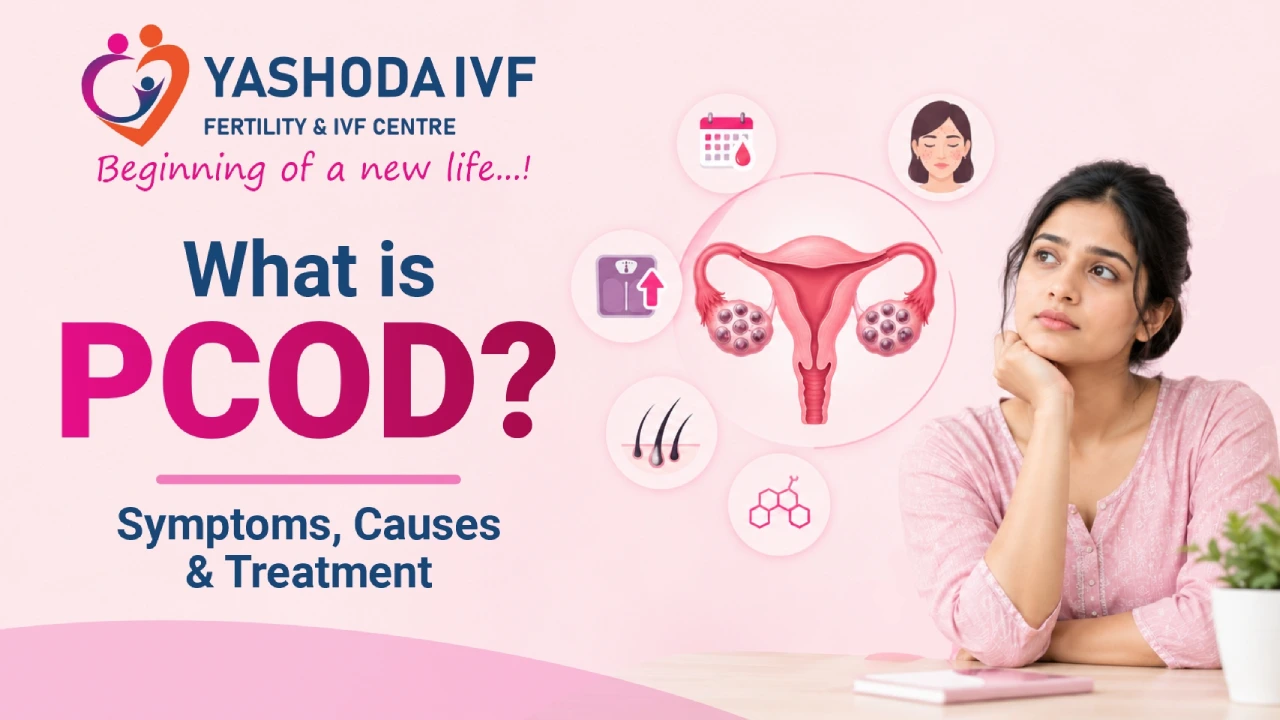
Irregular periods, acne, or unwanted facial hair may lead you to wonder whether you have PCOD. These symptoms deserve attention, but they can have several causes and do not confirm a diagnosis on their own.
Understanding the condition can help you seek appropriate care. This guide explains its meaning, symptoms, diagnosis, and treatment, including support for women planning pregnancy.
PCOD stands for polycystic ovarian disease. In India, the term is commonly used when discussing the condition traditionally called polycystic ovary syndrome, or PCOS.
The condition affects hormone regulation and can interfere with ovulation, the release of an egg from an ovary. Increased androgen levels may contribute to acne, excess hair growth, and irregular periods.
Ultrasound may show numerous small follicles containing developing eggs. These are not eggs that have turned into cysts, and their appearance alone does not establish a diagnosis.
If you are asking "what is PCOD problem," the key point is that its effects extend beyond the ovaries. The PCOD problem in females can involve irregular ovulation, hormonal imbalance, and metabolic concerns such as insulin resistance.
Some women mainly notice menstrual changes; others seek help for skin symptoms or difficulty conceiving. Symptoms and care needs vary, so assessment matters even when pregnancy is not an immediate goal.
Common PCOD symptoms include:
Fatigue, anxiety, or low mood may also occur. Symptoms can overlap with other conditions, so avoid self-diagnosis.
The exact causes of PCOD are not fully understood. Contributing factors include:
Food choices, activity, sleep, and stress may influence symptoms and overall health. However, PCOD should not be described simply as the result of unhealthy habits.
People searching for "what is PCOD and PCOS" often encounter comparisons describing two separate diseases.
However, the commonly claimed difference between PCOD and PCOS, that PCOD is always mild while PCOS is severe, is not an established distinction in international diagnostic guidance. A PCOD vs PCOS comparison should clarify terminology rather than assign different health risks or fertility outcomes to these labels.
Terminology update: The international guideline programme introduced the name polyendocrine metabolic ovarian syndrome, or PMOS, for PCOS in May 2026. PCOD and PCOS remain familiar terms among readers.
Read here: PCOD Meaning in Hindi: पीसीओडी क्या होता है? लक्षण और उपचार
PCOD diagnosis involves reviewing menstrual history, symptoms, and appropriate investigations. Other causes, such as thyroid disorders, must also be considered.
In adults, diagnosis generally requires two of the following after other causes have been excluded:
Not everyone needs an ultrasound or AMH test. A doctor may use AMH in selected adults, but it cannot confirm the condition by itself. Routine insulin testing is not recommended, and adolescents require different diagnostic criteria.
Searching for how to cure PCOD is understandable, but there is no established permanent cure. PCOD treatment can improve symptoms, support fertility, and protect long-term health.
A balanced diet for PCOD can include vegetables, fruit, whole grains, pulses, protein, and healthy fats. No single diet is best for everyone.
Regular physical activity offers benefits even without weight loss. If weight reduction is appropriate, seek personalised advice rather than restrictive diets.
A doctor may recommend hormonal contraception or periodic progestogen to manage irregular bleeding and protect the uterine lining. Other treatments may help acne or excess hair growth. Metformin may be appropriate for selected metabolic concerns.
The focus shifts to assessing ovulation and other fertility factors. Medicines used to manage periods or skin symptoms are not necessarily suitable when trying to conceive, so discuss your pregnancy plans before starting treatment.
Yes. The condition does not mean pregnancy is impossible or that IVF is automatically necessary.
For infertility caused by irregular ovulation, letrozole is recommended as first-line medication when no other infertility factors are present. IVF may be considered if earlier treatments fail or another fertility concern makes it appropriate. Both partners may need assessment.
PCOS is associated with increased risk of type 2 diabetes. Prolonged gaps between periods can also increase the risk of abnormal thickening of the uterine lining.
Follow-up helps your doctor assess blood sugar, other metabolic risks, and whether treatment is needed to protect the lining even when symptoms improve.
Seek advice for repeatedly irregular periods, a three-month gap without a period, or symptoms affecting daily life. If pregnancy is possible, take a pregnancy test after a missed period.
Fertility evaluation generally starts after 12 months of trying if you are under 35, or six months if you are 35 or older. Seek assessment earlier for irregular or absent periods or a known fertility concern. Women over 40 may need more immediate evaluation.
There is no established permanent cure, but treatment can help manage symptoms and health risks.
Yes. Body weight alone does not establish or exclude the diagnosis.
Regular periods may indicate improvement, but they do not prove the underlying condition has resolved.
No. Some women conceive without fertility treatment; others benefit from medicines supporting ovulation.
No. Scan findings must be considered alongside menstrual history, symptoms, and other relevant information.
If you have menstrual or fertility concerns, consult Yashoda IVF's specialists for an assessment and a personalised treatment plan.
Medical disclaimer: This article provides general information and does not replace individual medical advice. Consult a qualified healthcare professional about your symptoms, treatment and fertility needs.