IVF

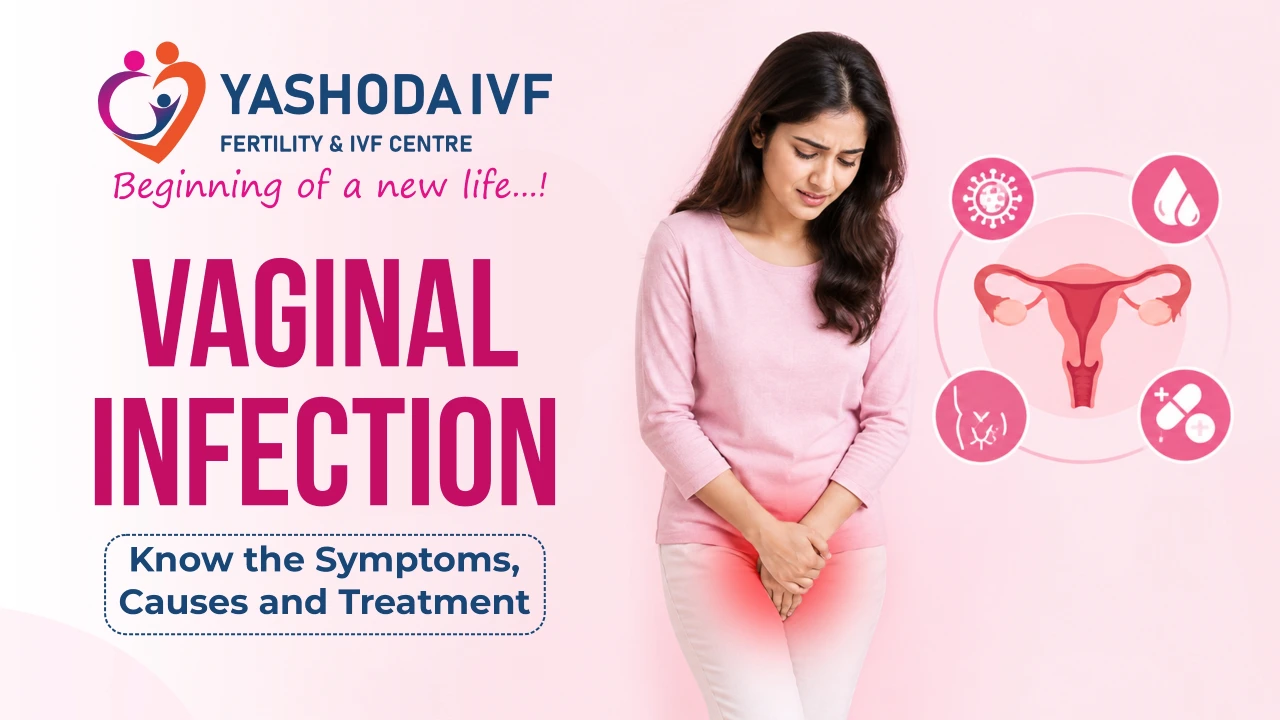
If you're dealing with itching, unusual discharge, or discomfort, you're not alone. Vaginal itching, unusual discharge, and irritation are common concerns, but many women feel uncomfortable discussing them. This guide explains what a vaginal infection is, the different types, how doctors diagnose the cause, and what genuinely helps in plain, easy-to-understand language.
Vaginitis means inflammation of the vagina that may cause unusual discharge, itching, burning, soreness, or odour. It can result from an infection, a change in vaginal bacteria, or non-infectious irritation. Because several different causes can produce very similar symptoms, identifying the actual cause is important before starting any treatment, which is exactly what this guide will help you understand.
No. Discharge itself is a normal, healthy part of how the vagina works. Normal discharge may:
Discharge is worth getting checked when there's a sudden change in its colour, smell, amount, or consistency, particularly alongside itching, pain, or irritation.
Read here: What Is Ovulation? Signs, Symptoms & Fertility Guide
Not everything that causes itching, discharge, or discomfort is an infection. It helps to think of the possible causes in two groups.
Because infections and non-infectious irritation can look similar, telling them apart usually needs a proper evaluation rather than guesswork.
Read here: PMS vs Pregnancy Symptoms: Differences & When to Test
| Symptom | Yeast Infection | Bacterial Vaginosis | Trichomoniasis |
|---|---|---|---|
| Discharge | Thick, white, and clumpy | Thin, grey or white | Yellow-green or frothy |
| Odour | Usually absent | Fishy odour | May have an unpleasant odour |
| Itching | Often intense | Less common | May occur |
| Redness | Common | Usually mild | Possible |
| Is it an STI? | No | No | Yes |
These symptoms provide useful clues, but they cannot confirm a diagnosis on their own; different conditions can look very similar, which is why a proper evaluation matters.
Common triggers include:
Read here: White Discharge Kab Hota Hai? कारण और सामान्य-असामान्य लक्षण
A doctor may use one or more of the following, depending on your symptoms:
Treatment depends entirely on the cause:
Because treatment differs so much by cause, it's best to have a doctor confirm the diagnosis rather than guessing based on symptoms alone, especially if this keeps happening.
While you wait to see a doctor or for treatment to take effect, these steps can ease discomfort:
On diet: No particular food or diet has been proven to cure a vaginal yeast infection. A balanced diet and adequate hydration support general health but cannot replace medical treatment. Women with recurring infections or diabetes should discuss blood-sugar control with their doctor.
These measures provide comfort, but they don't treat every underlying cause; they work alongside proper diagnosis and treatment, not instead of it.
Yes. If you experience three or more symptomatic yeast infections within one year, speak with a doctor about recurrent vulvovaginal candidiasis, rather than repeating the same over-the-counter treatment each time. Recurring infection may be associated with antibiotic use, poorly controlled diabetes, reduced immunity, or a less common Candida species. However, many women with recurrent yeast infections have no clearly identifiable underlying cause. Identifying an underlying factor, when present, can help the doctor plan appropriate treatment and reduce avoidable triggers.
Vaginal yeast infections are common during pregnancy due to hormonal changes, but pregnant women should not self-medicate. According to CDC guidance, a seven-day course of topical azole treatment is recommended for yeast infection during pregnancy, and oral fluconazole is advised against. The right treatment should always be selected by your treating doctor, not chosen independently.
A simple vaginal yeast infection usually does not cause infertility. However, some sexually transmitted infections can produce similar symptoms and, if left untreated, may spread to the reproductive organs and affect fertility. This is exactly why recurring or unusual symptoms should be properly diagnosed instead of automatically being assumed to be a yeast infection.
Book a medical appointment if:
Seek prompt medical attention if:
Fever and pelvic pain are not typical symptoms of an uncomplicated yeast infection; these need prompt medical attention rather than home care.
Recovery time depends on the cause, severity, and treatment used. A mild yeast infection may improve within a few days, while other infections require a longer course of treatment. Contact your doctor if symptoms don't improve after completing the recommended treatment.
No, a yeast infection itself is not classified as an STI. However, sexual activity can sometimes trigger or worsen symptoms in some women.
You can notice symptoms like itching, thick white discharge, and burning, but a home check can't confirm the exact cause, since other conditions look similar. A doctor's diagnosis is the only reliable way to know for sure.
Yes, frequent or repeated antibiotic use is a common trigger, since antibiotics can reduce the good bacteria that normally keep yeast growth in check.
Depending on the symptoms, a doctor may examine a vaginal discharge sample under a microscope, perform a vaginal swab or culture, recommend STI testing, or check blood sugar. Testing helps distinguish yeast infection from BV, trichomoniasis, and non-infectious irritation.
Vaginal infections are common and treatable, but they deserve a proper diagnosis rather than guesswork since yeast infections, bacterial vaginosis, and STIs can look similar but need very different treatment. Understanding your symptoms and knowing when to see a doctor makes a real difference in how quickly you feel better and how often this happens again.
If you're dealing with recurring symptoms or simply want a clear diagnosis, the specialists at Yashoda IVF are here to help you get the right answer, not just another guess.
Book a Consultation at Yashoda IVF → Gynaecology Consultation Page
Medical Disclaimer: This article is intended for general informational purposes only and does not replace diagnosis or treatment from a qualified medical professional. Please consult your doctor for advice based on your specific symptoms and health history.