Fertility Tips
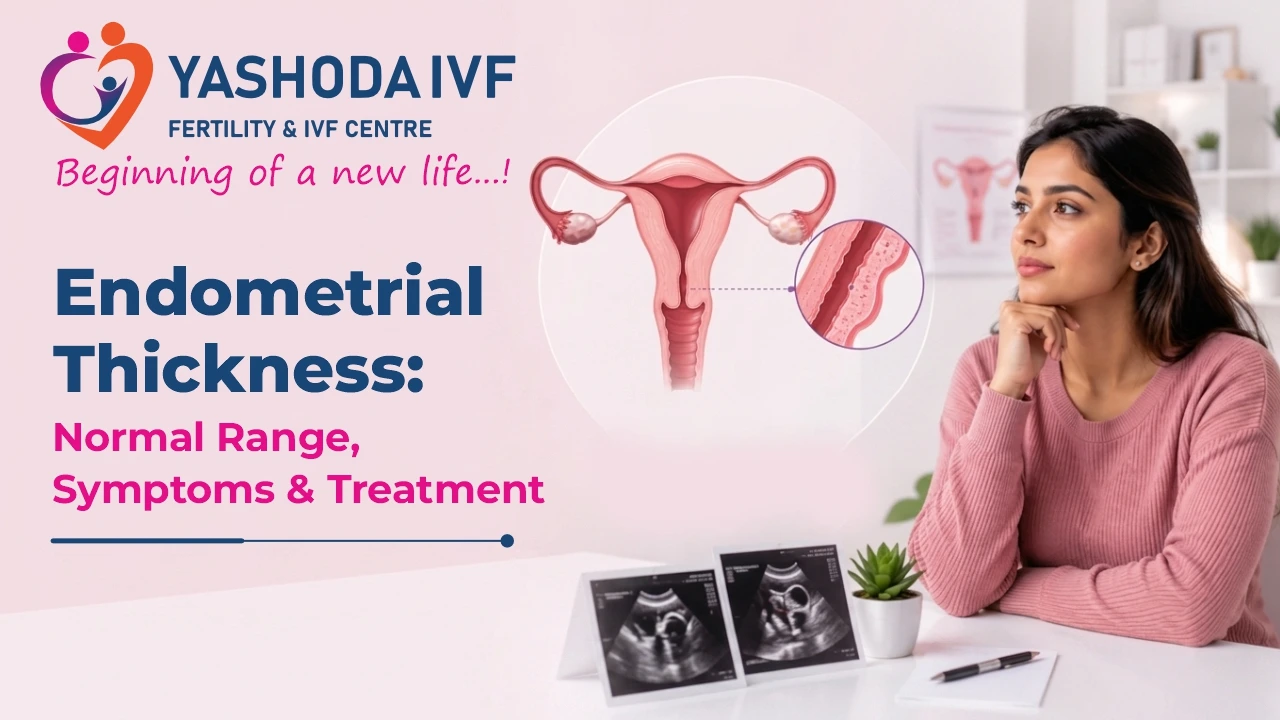
When you are trying to build a family, the journey can sometimes feel like an endless maze of medical terms, test results, and hormone levels. Often, women focusing on their fertility pour all their energy into egg quality and ovulation tracking. While having healthy eggs is incredibly important, there is another equally crucial factor that needs your attention: your uterine lining.
Think of your eggs as the seeds and your uterus as the soil. Even the healthiest seed cannot grow if the soil is not prepared, rich, and welcoming. This "soil" is your uterine lining, and its condition is medically referred to as endometrial thickness.
Understanding what endometrial thickness is and how it affects your body can empower you on your path to motherhood. Whether you are trying to conceive naturally, planning for an embryo transfer, or exploring female fertility treatment options, having a healthy uterine lining is vital. In this comprehensive guide, we will walk you through what to expect, the normal ranges by age and phase, and how to optimize your reproductive health.
To understand endometrial thickness, we first need to look at the anatomy of the uterus. The uterus is made up of different layers, and the innermost layer is called the endometrium.
The endometrium is a dynamic, living tissue that lines the inside of your uterine cavity. Its primary job is to create a safe, nourishing environment for an embryo (a fertilized egg) to implant and grow. Because of its critical role in pregnancy, the endometrium goes through significant changes every single month in response to your hormones, specifically estrogen and progesterone.
During the first half of your menstrual cycle, as estrogen levels rise, the endometrial lining begins to thicken and grow rich with blood vessels. If a pregnancy does not occur that month, your hormone levels drop, and this lining sheds. This shedding process is what you experience as your monthly menstrual period.
Measuring the thickness of this lining is a routine part of any fertility evaluation. By looking at your endometrial thickness ultrasound, doctors can tell if your body is responding correctly to your natural hormones or to the fertility medications used during treatments like IVF (In Vitro Fertilization).
The thickness of your endometrium plays an indispensable role in your ability to get pregnant and carry a baby to term. Here is a breakdown of why this lining is so critical for both natural conception and assisted reproductive technologies:
Once an egg is fertilized by sperm, it travels down the fallopian tube and enters the uterus as an embryo. For a pregnancy to begin, this embryo must attach to the uterine wall, a process known as implantation. The endometrial lining must be thick and "sticky" enough for the embryo to securely implant.
A healthy, thick endometrium is packed with tiny blood vessels. This rich blood supply is absolutely necessary to deliver oxygen and vital nutrients to the growing embryo in the early days of pregnancy, even before the placenta fully forms.
The endometrium contains receptors for progesterone, the hormone that sustains pregnancy. A properly thickened lining indicates that your body is producing the right balance of hormones needed to support a growing baby.
Studies show a direct link between fertility and endometrial thickness. If the lining is too thin, the embryo may struggle to implant, or the risk of early miscarriage may increase. A healthy uterine lining is particularly crucial for IVF treatment and IUI treatment, where maximizing the chances of implantation is the ultimate goal.
Your uterine lining is not the same thickness all month long. It changes daily based on where you are in your menstrual cycle. Below is a breakdown of the phases and an easy-to-read endometrial thickness chart.
| Phase of Menstrual Cycle | Typical Day of Cycle | Normal Endometrial Thickness | Description of Lining |
|---|---|---|---|
| Menstrual Phase | Days 1 to 5 | 2 mm to 4 mm | Thin, shedding during periods |
| Early Proliferative | Days 6 to 14 | 5 mm to 7 mm | Rebuilding, growing thicker |
| Pre-Ovulatory | Days 11 to 14 | 7 mm to 11 mm | Optimal thickness for conception |
| Luteal Phase | Days 15 to 28 | 7 mm to 16 mm | Dense, nutrient-rich, secretory |
Note: Endometrial thickness by age can also vary; postmenopausal women who are not on hormone replacement therapy usually have a very thin lining, typically under 4 mm or 5 mm.
When couples are planning a pregnancy, one of the most common questions is: What is the ideal endometrial thickness for pregnancy?
Fertility experts generally agree that the ideal range for successful embryo implantation is between 7 mm and 10 mm. When the lining falls within this range, it offers the perfect cushion and blood supply for the embryo.
Minimum Endometrial Thickness for Pregnancy: Most fertility doctors prefer to see a lining of at least 7 mm before green-lighting an embryo transfer. While pregnancies can and do happen with a 6 mm lining, the chances of successful implantation are lower.
Maximum Thickness: A lining that is too thick (usually above 14 mm or 15 mm outside of pregnancy) can sometimes indicate hormonal imbalances or other issues that might require a medical evaluation.
Treatment decisions regarding your lining should always be made with a fertility specialist, as they will look at your overall health rather than just a single number on an ultrasound.
In the world of In Vitro Fertilization (IVF), the condition of your uterine lining is monitored meticulously. The success of your IVF treatment relies heavily on perfectly timing the meeting of the embryo and the endometrium.
During your IVF cycle, your fertility specialist will perform frequent ultrasound scans. They are checking not only the size of your ovarian follicles but also your endometrial thickness before IVF egg retrieval and before an embryo transfer.
Fresh Cycle: In a fresh cycle, the high doses of stimulation medications can sometimes cause the uterine lining to mature too quickly or behave abnormally. If the lining is not optimal by the time the eggs are retrieved, your doctor might recommend freezing the embryos.
Frozen Embryo Transfer (FET): For an FET, doctors have much more control. They can use specific hormone medications (estrogen and progesterone) to perfectly prepare and thicken the endometrium without the distraction of ovarian stimulation.
If your endometrial thickness for embryo transfer does not reach the minimum threshold (usually 7 mm), your doctor may decide to postpone the transfer. This is not a failure; rather, it is a protective step to ensure that your precious embryo is only transferred when your body provides the highest possible chance of a successful pregnancy.
A thin endometrium (less than 7 mm during the fertile window) does not always cause obvious day-to-day symptoms, but it can present certain warning signs, especially if you are actively trying to conceive:
On the other end of the spectrum, an excessively thick endometrium (endometrial hyperplasia) can also cause reproductive challenges. Symptoms of a thick endometrium include:
If you experience these symptoms, an evaluation is needed. A fertility specialist can run tests to rule out any underlying medical conditions.
Understanding the causes of a thin endometrium is the first step in finding the right endometrial thickness treatment. Several factors can prevent the lining from growing adequately:
When the endometrial lining grows too thick, it is usually due to prolonged exposure to estrogen without the balancing effect of progesterone. Common causes include:
Measuring your endometrial lining is a quick, safe, and painless procedure, typically performed at a fertility clinic.
This is a very common and stressful question for patients searching for fertility information. The realistic answer is: Yes, it is possible, but it is more difficult.
Because of these limitations, doctors prefer to try various treatments to thicken the lining before attempting conception or embryo transfer. Always discuss your unique situation with a specialist to set realistic expectations.
If you are diagnosed with a thin lining, there are holistic lifestyle habits you can adopt to support your body. While these should not replace medical treatments, they create a better foundation for reproductive health.
Medical Disclaimer: Avoid making sudden dietary changes or taking over-the-counter fertility supplements without medical supervision. Always consult your doctor before starting any new regimen.
When natural methods are not enough, modern medicine offers several highly effective endometrial thickness treatments. Your fertility specialist will tailor the protocol to your specific needs.
Waiting too long to seek help can lead to unnecessary emotional distress and lost time. You should consult a fertility specialist if:
Getting a comprehensive fertility evaluation early on can pinpoint issues like a thin endometrium so that treatment can begin immediately.
Because they sound similar, people often confuse endometrial thickness with endometriosis. However, they are two entirely different medical concepts. Here is a clear comparison:
| Feature | Endometrial Thickness | Endometriosis |
|---|---|---|
| Meaning | The measurement of the normal lining inside the uterus. | A disease in which tissue similar to the lining grows outside the uterus. |
| Symptoms | Often none, though thin/thick lining can cause light/heavy periods. | Severe pelvic pain, painful periods, pain during intercourse. |
| Effect on Fertility | A healthy thickness is required for an embryo to implant. | Can cause inflammation and scar tissue, often leading to infertility. |
| Diagnosis | Easily measured via a routine Transvaginal Ultrasound. | Suspected via ultrasound/MRI, but definitively diagnosed via laparoscopy. |
| Treatment | Hormones (like estrogen) or blood flow medications. | Pain relief medications, hormone suppression, or laparoscopic surgery. |
Normal thickness varies by the phase of your menstrual cycle. It ranges from 2–4 mm during a period, up to 7–16 mm during the luteal phase (after ovulation).
Yes. A thin uterine lining can make it very difficult for an embryo to implant, which can lead to delayed conception or early miscarriages.
Yes, pregnancy is possible with a 6 mm lining, but the chances of successful embryo implantation are lower compared to a lining that is 7 mm or thicker.
Absolutely. An endometrial thickness of 8 mm is considered excellent for an embryo transfer in an IVF cycle and falls right into the ideal range of 7 to 10 mm.
While no single food acts as a magic cure, a nutrient-dense diet rich in antioxidants, whole grains, and healthy fats can improve pelvic blood flow and support natural hormone production.
Yes. Moderate exercise like walking or yoga improves blood circulation throughout the body, including the reproductive organs, which can support the growth of the lining.
Generally, a lining that measures less than 7 mm during the pre-ovulatory phase or just before an embryo transfer is considered thin.
A lining measuring more than 14-15 mm (when you are not pregnant) is often considered abnormally thick and may require evaluation by a doctor to rule out hormonal imbalances or hyperplasia.
Yes. A transvaginal ultrasound is a highly accurate, standard medical tool used by fertility specialists to precisely measure the thickness and check the pattern of the lining.
Treatment duration depends on the method used. Estrogen therapy during an IVF cycle can thicken the lining in just 10 to 14 days, while treating chronic infections or scar tissue may take several weeks or months.
Yes. As women enter their late 30s and 40s, changes in blood flow and hormone levels can lead to a naturally thinner endometrium.
If the lining does not reach the minimum threshold (usually 7 mm), doctors will cancel or postpone the transfer. This is done to protect your embryo and ensure it is only transferred when your chances of pregnancy are highest.
Understanding your body is a powerful step in your fertility journey. While a diagnosis of a thin or excessively thick endometrium can be stressful, it is highly treatable. From simple hormone therapies to advanced fertility protocols, modern medicine provides numerous ways to prepare your uterus for a healthy pregnancy.
Remember, you do not have to figure this out on your own. Whether you are actively trying to conceive, preparing for an IVF embryo transfer, or just seeking a comprehensive fertility evaluation, expert help is available.
Visit your nearest Yashoda IVF Centre in Charni Road, Bandra, Thane, or Pune and consult our fertility specialists for a personalized fertility evaluation and treatment plan. Let us help you prepare the perfect environment for your future baby.
Disclaimer: The information provided in this blog is for educational and informational purposes only and is not intended as a substitute for professional medical advice, diagnosis, or treatment. Every individual's fertility journey is unique.